Table of contents
TL;DR: Grouping or Group auto like is when people (or bots) automatically like each other’s posts to make content appear more popular. While it may deliver quick likes, platforms like LinkedIn, Meta, and Instagram can detect it and even punish it. The bigger issue? It looks fake, and fake engagement erodes trust. This article details what to be aware of when it comes to group auto-likes and how to drive authentic engagement to beat the algorithm.
What Is Group Auto Like? 
Every Founder, Marketer, or Growth leader wants their LinkedIn Profile to shine. A recent Paypal position went viral as the CEO appears to be hiring for a “Head of CEO Content” position, showing how social presence is leading the way to a strong brand perception. But your posts can’t go viral if no one sees it.
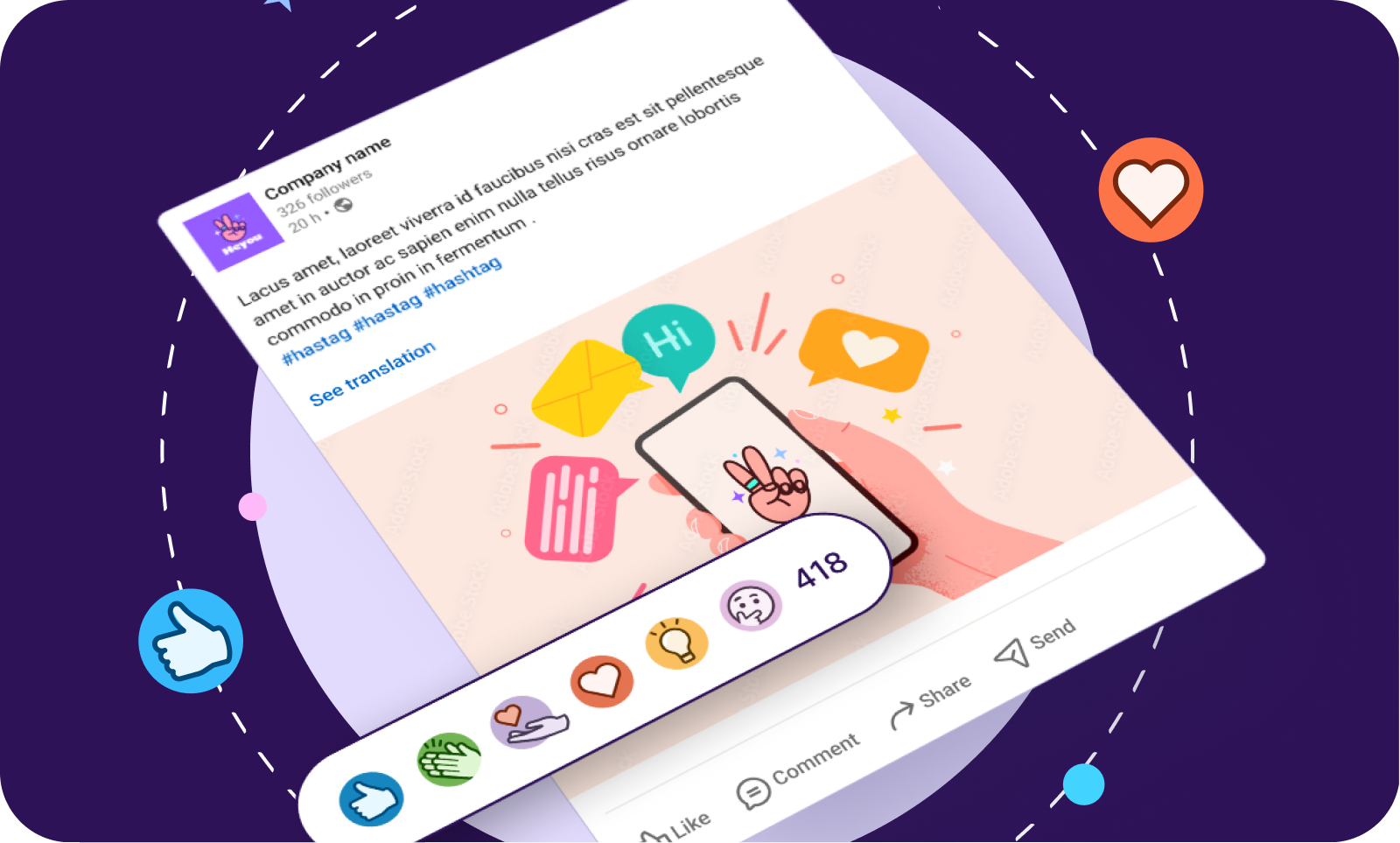
Group auto liking sounds like the quick fix: rally your team to like your posts so they look strong, or use a tool to make it automatic. Group auto like refers to tools or schemes where members of a group automatically like each other’s posts, usually via bots, browser extensions, or automation platforms. The pitch is simple: more likes = more reach, more credibility, more sales.
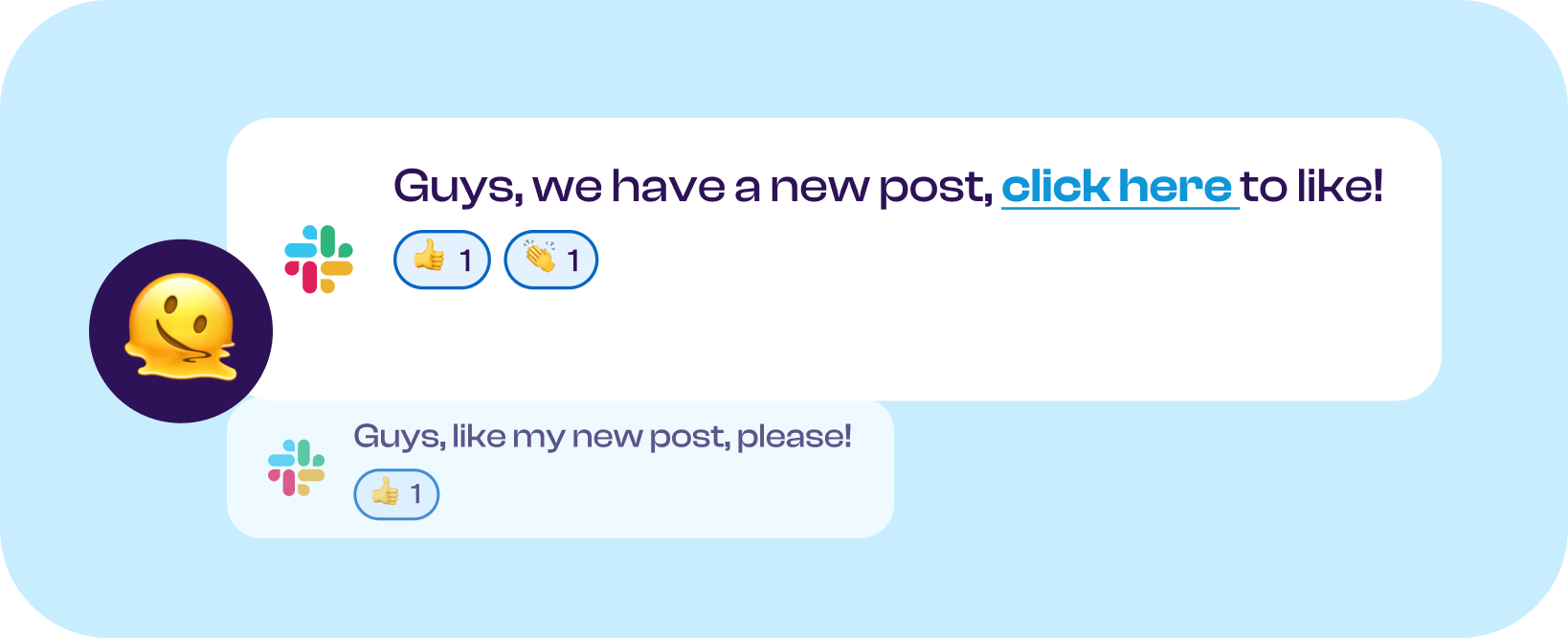
In simple terms, it means getting your group to like each other’s posts, either manually or with automation like bots. On paper, the pitch is clear: more likes equals more reach, more credibility, more sales. In reality? It looks more like the CMO and CEO asking everyone to like the post, but often just a few do. Why? They either don’t ‘feel like it’ at the moment, feel silly while doing so, or procrastinate then never do it. Sometimes they really want to help, but like a kid struggling to get the job done – they do too.
We listen – and we don’t judge.
And while the group auto-likes may not always “hurt” your account directly, it doesn’t really help it either, because likes without real engagement are just decoration. Auto-like groups offer an easy win: get your entire team to make your posts and company page in general look amazing.
At the end, every person feel it when they see double or triple digits of likes on their posts – it feels good. The applause feels good, but when the crowd discovers it’s fake, your credibility is gone. Just ask Milli Vanilli, whose career imploded after fans learned the voices weren’t theirs. In digital marketing, the same fate awaits anyone who builds on fake engagement.
How Does Group Auto-Likes Work? 
Some group auto-like systems trigger when a hashtag appears. Others monitor a chat and auto-like as soon as a link is shared. Sounds clever, right? But platforms aren’t blind. Meta has already called this “coordinated inauthentic activity” which can mean reduced reach, shadowbans, or even full suspension. Instagram is stricter, it flags bursts of likes as bot behavior. The bottom line: you can’t fake it till you make it. The more you push the system, the more likely it pushes you out.
Why Do People Use Group Auto Like Anyway? 
Because it’s tempting. Instant engagement feels good. Algorithms push content that gets likes fast. Bots save time when no one on your team is consistent. And social proof works, a big number of likes makes people stop scrolling. As Robert Cialdini wrote in Influence: “Social proof is powerful because people assume others know better.” But fake likes distort this. And when people realize the numbers aren’t real, trust doesn’t just disappear – it reverses.
“Marketers often chase metrics because algorithms reward them. But algorithms don’t buy from you. People do.”
Why do smart marketers risk their accounts?
- Instant engagement: Algorithms push content with fast likes.
- Time-saving: Bots handle the grind of engagement.
- Social proof: Big like counts make people stop scrolling.
- It’s tempting. But as Robert Cialdini, author of Influence, explains: “Social proof is powerful because people assume others know better.”
Fake likes distort this principle, and when the trick is exposed, the trust doesn’t just vanish, it reverses into distrust.
The Milli Vanilli Effect: Fake Appears Real 
Milli Vanilli sold millions of records until fans found out they weren’t singing. Same story with Lance Armstrong and doping, fake reviews on Amazon, influencers caught buying followers. Fake wins always crash. Group auto likes are part of that hall of shame. Sure, the like count looks great. But when a post has 100 likes and zero comments, it feels hollow. It’s not engagement. It’s just noise. And once your audience senses that, they don’t just scroll past they stop believing you.
Can Group Auto Like Work If Done the Right Way? 
Group auto like is seductive because it’s easy. But so was lip-syncing, doping, and buying fake followers. The pattern never changes: shortcuts create hollow victories and lasting distrust. In an online world drowning in fake metrics, authenticity is the only true differentiator. Don’t be Milli Vanilli. Be real.
FAQs 
What does group auto like mean?
It means bots automatically liking each other’s posts to make content look more popular.
Is group auto like safe on LinkedIn?
Not really. LinkedIn and Meta detect inauthentic patterns and may cut your reach or restrict your account.
Why do people use group auto like?
Because it delivers quick engagement, saves time, and creates social proof.
What’s the alternative to group auto like?
Build authentic engagement through real conversations with your network. Likes that come from real people responding to your real posts compound trust. Bots and pods do not.